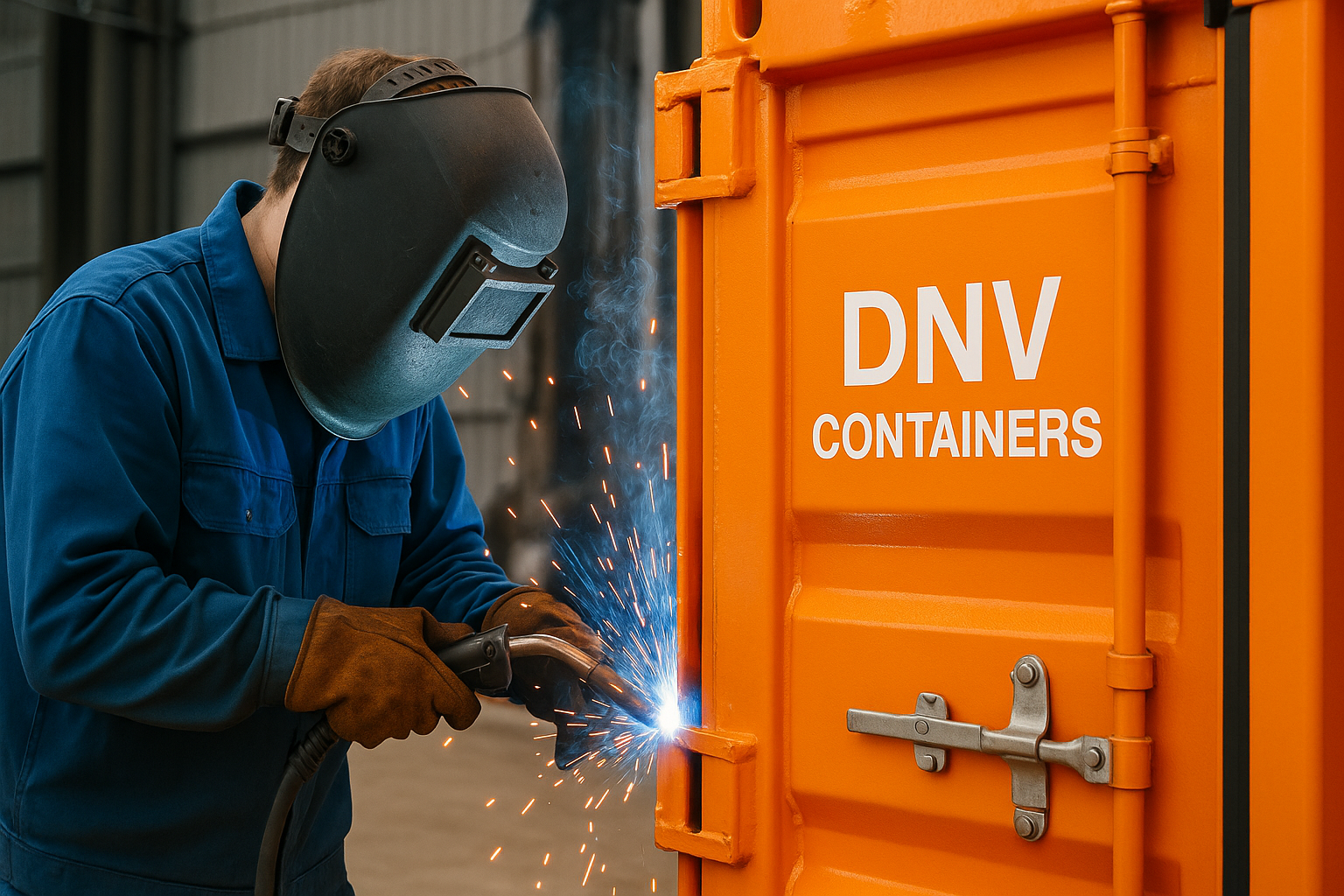


In high-risk environments—ranging from oil & gas sites to military zones and critical infrastructure standard containers are no longer enough. Businesses and governments increasingly rely on bulletproof containers to protect personnel, assets, and operations.
For companies in GCC, integrating DNV-compliant engineering with advanced ballistic protection creates a powerful solution: secure, modular, and deployable units that function as guard cabins, command centers, and secure storage spaces.
What Is a Bulletproof Container?
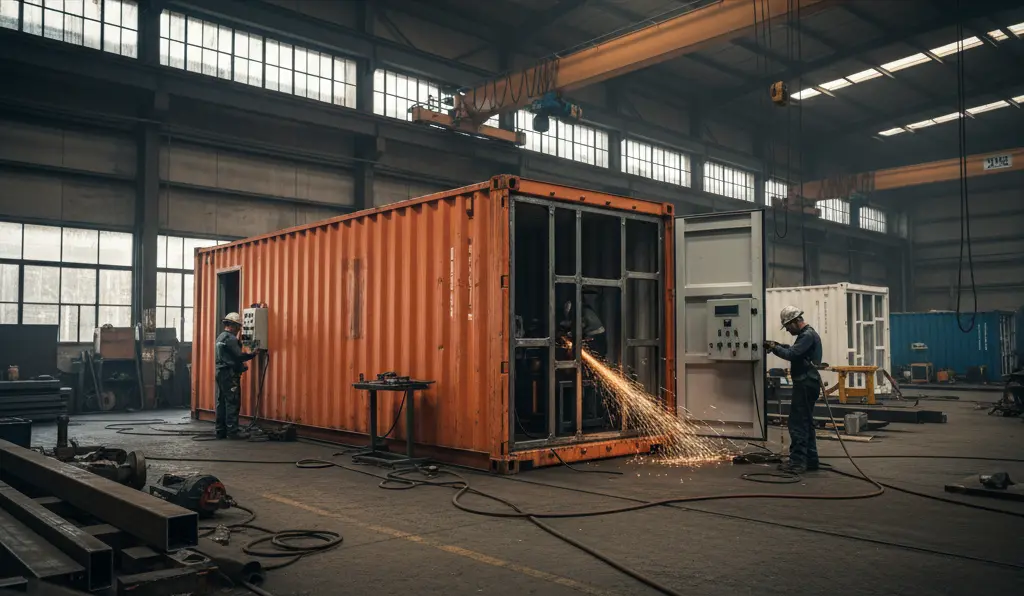
A bulletproof container is a reinforced modular structure designed to resist ballistic threats and, in some cases, blast impacts. Unlike conventional shipping or prefab containers, these units are engineered using specialized materials and tested standards to ensure protection.
They can be used as:
- Security cabins / guard huts
- Command & control rooms
- Armored storage units
- Mobile surveillance stations
A security hut or guard cabin is the most common application—providing a protected, compact space for personnel to monitor access points and respond to threats.
Design Principles of Bulletproof Containers
1. Layered Protection System
The core of any bulletproof container is its multi-layered wall system, which typically includes:
- Outer steel shell
- Ballistic-resistant core (Kevlar or composite panels)
- Internal reinforcement layer
This layered approach absorbs and disperses projectile energy.
2. Ballistic Glass & Visibility
Security personnel need visibility without exposure.
- Windows are made of multi-layer laminated ballistic glass
- Designed to withstand specific threat levels (e.g., handguns, rifles)
- Strategically placed for 360° surveillance
3. Structural Integrity (DNV Standards)
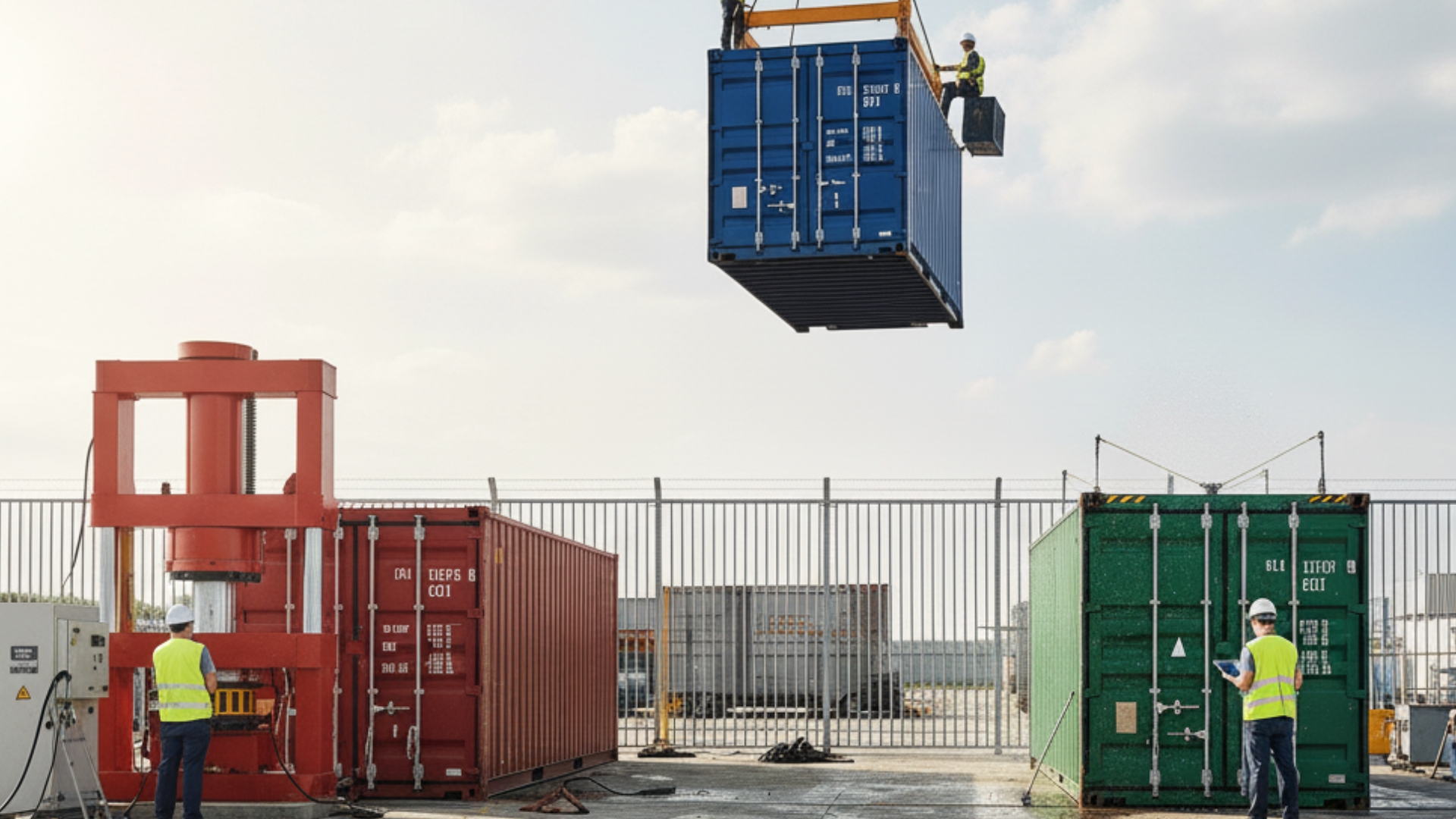
For offshore and industrial use, containers often follow DNV (Det Norske Veritas) standards, ensuring:
- Structural durability under extreme conditions
- Safe lifting and transportation
- Resistance to harsh marine environments
DNV-certified bulletproof containers are ideal for:
- Offshore rigs
- Oil & gas fields
- Maritime logistics
4. Modular & Portable Design
Bulletproof containers are:
- Pre-engineered and factory-built
- Easily transportable
- Stackable or expandable
This makes them ideal for temporary or rapidly changing environments.
Materials Used in Bulletproof Containers
Reinforced Steel
- High-strength steel forms the outer structure
- Provides initial impact resistance
Kevlar & Ballistic Fibers
- Lightweight and highly durable
- Absorbs energy from bullets
- Prevents penetration and fragmentation
Composite Armor Panels
- Combination of ceramics and fibers
- Used in high-threat environments
Ballistic Glass
- Multi-layered glass + polycarbonate
- Maintains visibility while ensuring safety
Interior Design & Functionality
Inside a bulletproof container, safety meets usability.
Key Interior Features:
- Central monitoring station (CCTV, communication systems)
- Armored security cabinets for documents or weapons
- Climate control systems for extreme environments
- Ergonomic layout for long operational shifts
Larger containers may include:
- Separate workstations
- Rest areas
- Equipment storage zones
Even compact guard booths are designed to maximize efficiency within limited space.
Real-World Use Cases
1. Oil & Gas Facilities
High-risk zones require DNV-certified containers to protect staff from both environmental and security threats.
2. Military & Defense
Used as:
- Checkpoint cabins
- Mobile command centers
- Secure storage units
3. Construction Sites
Temporary yet secure installations for:
- Access control
- Equipment protection
4. Commercial & Residential Complexes
Security huts at:
- Entry gates
- Parking areas
- High-value properties
5. Critical Infrastructure
Airports, ports, and power plants deploy bulletproof cabins for high-security monitoring.
Bulletproof Cabin vs Guard Booth vs Container
| Feature | Guard Booth | Bulletproof Cabin | Bulletproof Container |
|---|---|---|---|
| Size | Small | Medium | Large |
| Mobility | High | Medium | High |
| Protection Level | Moderate | High | Very High |
| Use Case | Entry control | Security monitoring | Command & operations |
Cost Considerations
The cost of bulletproof containers depends on:
- Level of ballistic protection (NIJ rating, etc.)
- Size and dimensions
- Materials used (steel, Kevlar, composites)
- Additional features (HVAC, surveillance systems)
- DNV certification requirements
While the initial investment may be high, the long-term value lies in safety, durability, and risk mitigation.
Why Choose DNV-Grade Bulletproof Containers?
DNV compliance ensures:
- Global safety standards
- Reliable performance in extreme conditions
- Certification for offshore and industrial applications
For companies like Al Basata, this means delivering trusted, high-performance security infrastructure.
Conclusion
Bulletproof containers are no longer niche products—they are essential infrastructure in high-risk environments. With advanced materials, intelligent design, and DNV-certified engineering, these structures provide unmatched protection, flexibility, and operational efficiency.
From compact guard booths to fully equipped command centers, bulletproof containers represent the future of secure, modular construction.