

1. Introduction: Why Lead Time Is the Biggest Risk in Fast-Track Offshore Projects
For most project owners and businessmen ‘time is money‘. When the projects get completed in less time, less money is spent on them and more revenue flows in. Many project owners who share this mindset adopt a scheduling technique known as fast-tracking.
Fast-tracking in offshore projects are designed to deliver quick results. Engineering, procurement, and fabrication often run in parallel to meet the deadline. While this approach reduces overall project duration, there is a high chance that it also increases the risks — considering the fact when ‘lead time’ is not planned properly.
In offshore projects, fast-track doesn’t mean fewer requirements. Safety standards, certification, inspections, and documentation remain the same. The only difference is that decisions must be made earlier and executed faster.
Offshore containers often become the critical path items because they are then used by lifting, material handling, and offshore operations. If containers are delayed, cranes remain idle, vessels wait on standby, and offshore activities cannot proceed. Poor lead time planning directly leads to vessel delays, increased standby costs, and overall budget overruns.
In fast-track projects, lead time planning is not optional — it’s a core project risk control activity.
2. What Makes Offshore Container Lead Times Longer Than Expected
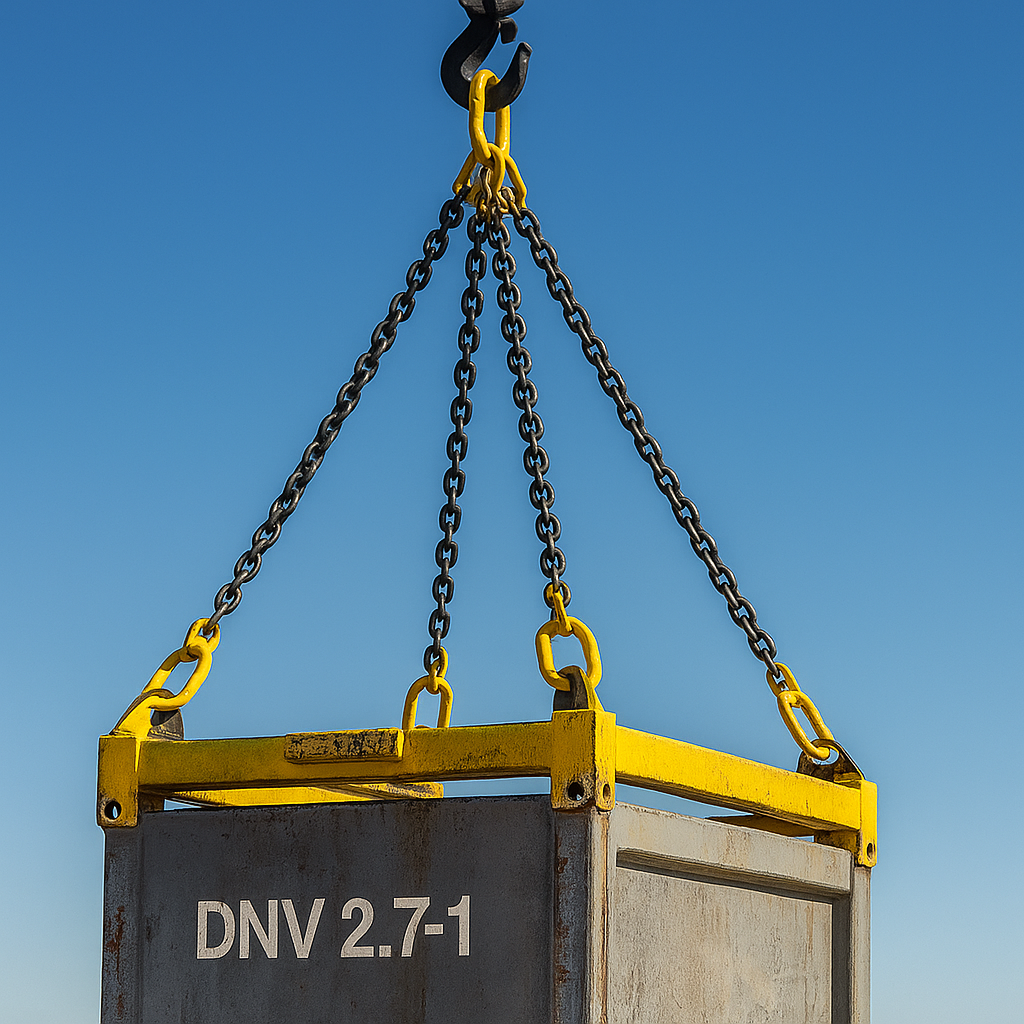
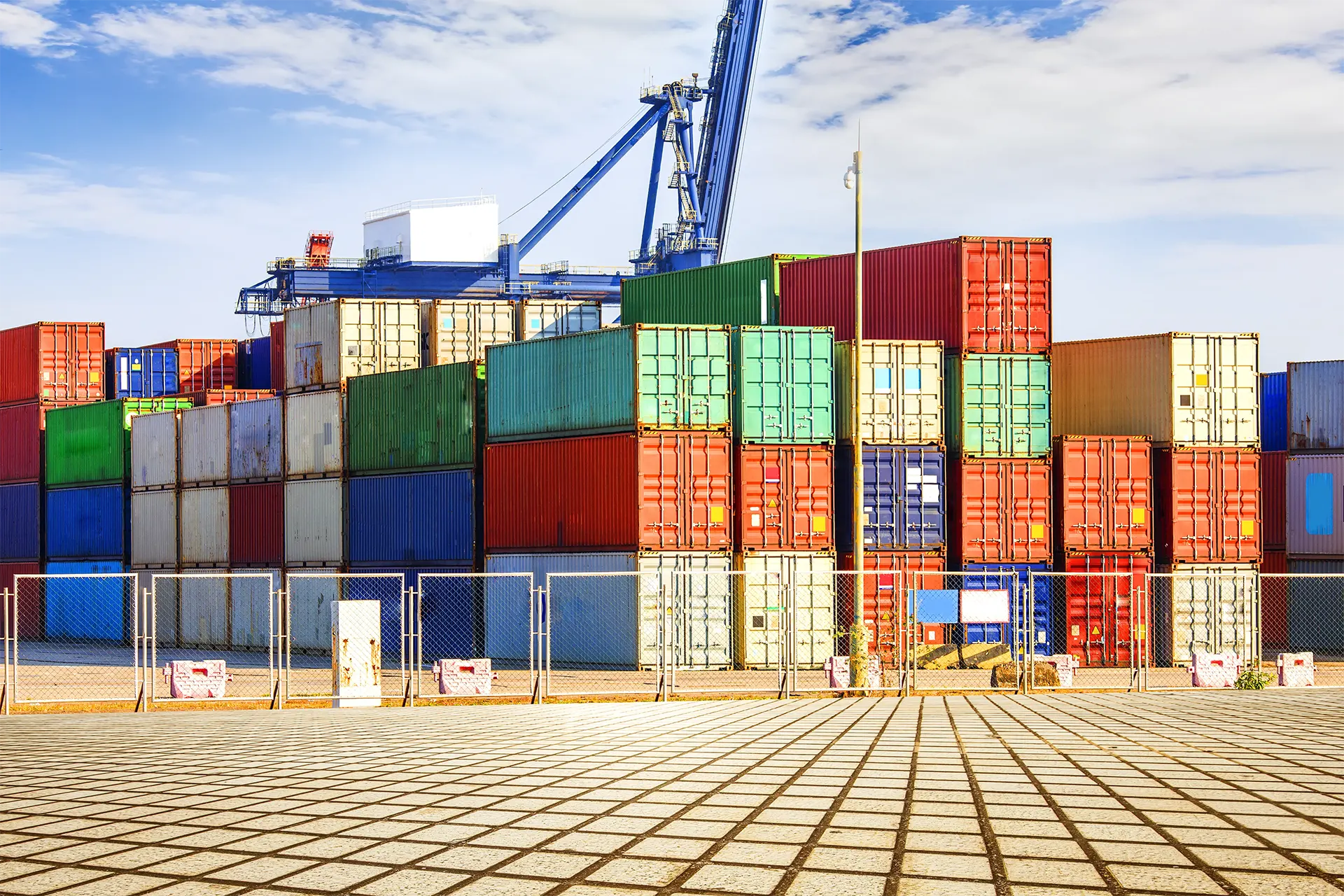
Offshore containers are often mistaken for standard cargo containers. Unlike standard/onshore containers, offshore containers are engineered lifting units designed for harsh offshore environments. Offshore containers must comply with strict international standards (like DNV 2.7 – 1 and ATEX certification). Apart from certification, inspections, design approval, load testing, and documentation reviews introduce additional complexity that cannot be bypassed.
A common misconception is assuming that fabrication time equals total delivery time. In fact, fabrication is only one part of the process. Engineering approvals, material procurement, inspections, certification, and logistics often consume more time than fabrication itself.
3. Typical Offshore Container Lead Time Breakdown
Understanding where time is spent is essential for realistic planning.
3.1 Engineering & Design Phase
This phase includes structural design calculations to ensure the container can safely withstand offshore lifting conditions. Drawings must be reviewed and approved by clients and consultants, often through multiple comment cycles. Any delay in design approvals pushes all downstream activities. Late changes during this phase are one of the most common cause of lead time overruns.
3.2 Material Procurement
Offshore containers require certified steel grades suitable for offshore use. Components such as Pad-eyes and lifting accessories must meet specific standards and often have longer procurement duration. Specialty or non-standard components are typically long-lead items and must be identified early. Delays in procurement can halt fabrication even if designs are ready.
3.3 Fabrication & Assembly
Fabrication involves structural cutting, welding, and fit-up, followed by surface preparation and coating. Offshore-grade coating systems require controlled application and curing time, which is often underestimated in fast-track schedules. Any rework at this stage impacts both schedule and cost.
3.4 Inspection, Testing & Certification
This phase includes visual inspections, load testing, and detailed documentation reviews by third-party inspectors. A container may be physically complete but cannot be delivered without certification approval. Failed inspections or missing documents can delay delivery by weeks.
3.5 Logistics & Delivery
Logistics include transportation to port, port handling, customs clearance, and final delivery to site. Offshore projects often have narrow delivery windows aligned with vessel schedules. Missing a shipment can result in significant delays and additional costs.
4. Common Lead Time Bottlenecks in Fast-Track Projects
Several recurring issues delay offshore container delivery:
- Late design freeze leading to rework
- Inspector unavailability at critical stages
- Rework after failed inspections or load tests
- Incomplete or incorrect documentation
- Port congestion or mismatch with vessel schedules
Most of these issues are planning-related, not fabrication-related.
5. Lead Time Planning Strategies for Fast-Track Offshore Projects
5.1 Early Engineering Engagement
Involving the offshore container manufacturer during the FEED stage can save weeks. Early engagement helps finalize the lifting philosophy, container configuration, and design assumptions before procurement and fabrication begin. Freezing key design inputs early reduces downstream changes.
5.2 Parallel Activities Instead of Sequential Planning
Fast-track projects require parallel execution. Fabrication can proceed while documentation is prepared, and standard materials can be procured in advance. Waiting for full documentation approval before starting any activity significantly increases lead time.
5.3 Standardization Over Customization
Using proven, standard container designs reduces engineering effort, approval cycles, and inspection risks. Customization should be avoided unless necessary. When customization is unavoidable, it must be clearly defined and frozen early.
5.4 Pre-Approved Inspection & Test Plans (ITP)
A pre-approved ITP aligns expectations between the client, manufacturer, and inspectors. Clear inspection hold points and acceptance criteria reduce inspection delays and prevent surprises during certification.
6. Design Decisions That Directly Impact Lead Time
Certain design decisions have a direct impact on schedule:
- Clear payload definition with adequate margins
- Early finalization of lifting configuration
- Avoiding late changes to pad-eye locations
- Minimizing structural revisions after fabrication starts
Even small late-stage design changes can trigger redesign, re-fabrication, and re-certification.
7. Inspection & Certification: Planning Without Delays
Inspectors should be booked well in advance, especially in fast-track projects. Typical inspection hold points include material inspection, welding inspection, coating inspection, and load testing. Failed inspections require corrective actions and re-inspection, directly affecting delivery schedules. Complete and accurate documentation is essential to avoid certification delays.
8. Documentation That Must Be Ready Before Delivery
Before offshore delivery, the following documents must be complete and approved:
- Design calculations
- Inspection and test reports
- Load test certificates
- Material certificates
- Final certification pack
Without proper documentation, containers cannot be accepted offshore, regardless of physical readiness.
9. Checklist: Offshore Container Lead Time Planning for Fast-Track Projects
- Payload and lifting details frozen early
- Design approved without pending comments
- Inspection slots confirmed in advance
- Logistics planned with realistic buffers
- Documentation responsibilities clearly defined
This checklist helps prevent avoidable delays.
10. Conclusion: Lead Time Planning Is a Project Risk Control Measure
Offshore container delivery is not just a supply activity. In fast-track offshore projects, it is a critical project risk that must be actively managed.
Proactive lead time planning reduces crane ideal time, avoids vessel standby costs, and ensures smooth offshore execution. Working with experienced offshore container manufacturers who understand engineering, certification, and logistics requirements is essential to achieving schedule certainty.
In fast-track projects, successful delivery depends not on speed alone, but on early decisions, disciplined planning, and execution without surprises.