
Introduction: Why Container Lifespan Matters Offshore
Offshore operations rely heavily on specialized equipment, and containers are a key part of daily logistics. They are used to transport tools, spare parts, and materials between supply vessels and offshore platforms. A DNV certified container is designed to handle harsh offshore conditions. However, even certified containers do not last forever. Their lifespan depends on several operational and environmental factors. Offshore containers represent a significant investment. If a container fails early due to poor maintenance or improper use, it can lead to safety risks and financial losses. For this reason, durability, regular inspections, and proper maintenance are critical for extending the operational life of offshore containers.
What Makes a Container DNV-Certified?
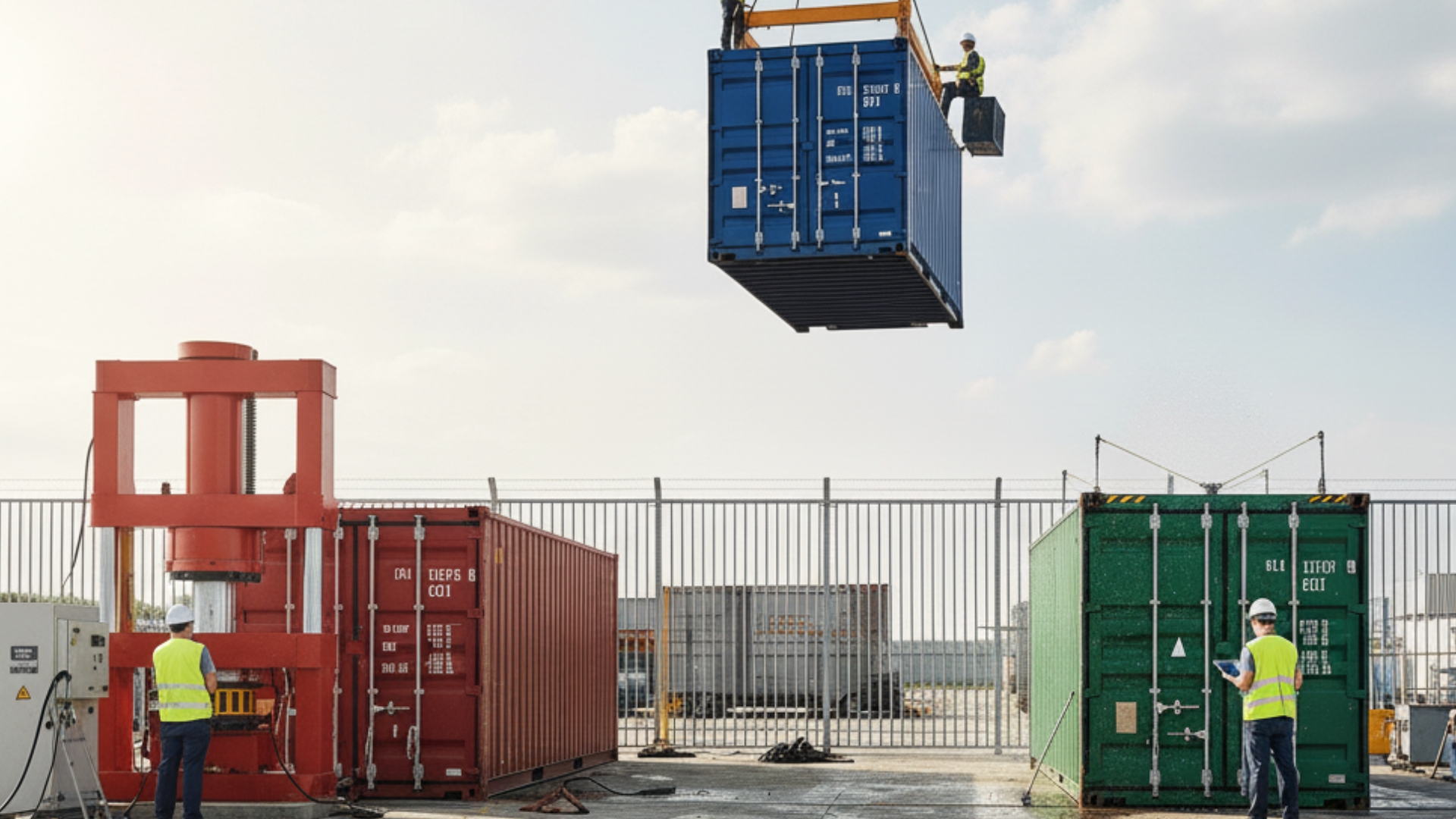
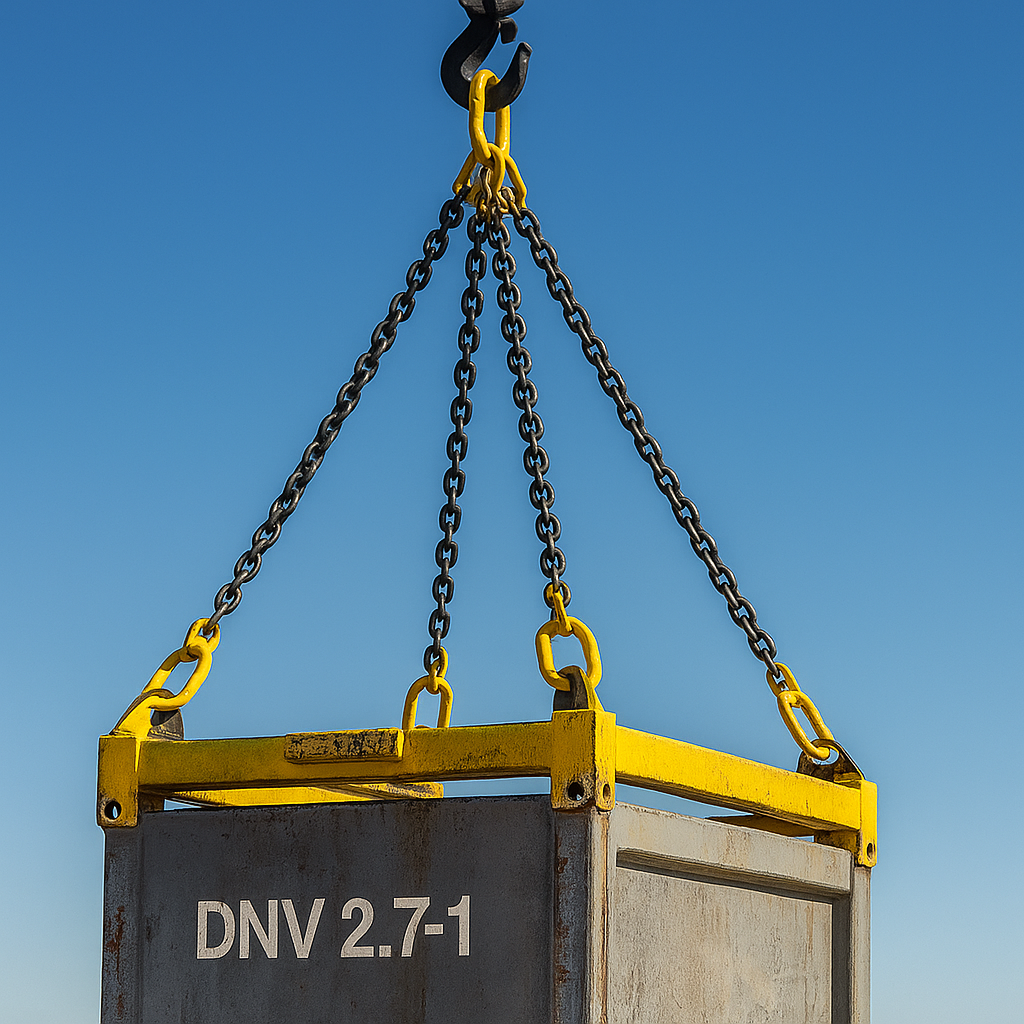
DNV certification ensures that offshore containers meet strict safety and design standards. These standards cover structural strength, lifting capability, and resistance to harsh offshore environments. Containers must undergo testing and inspection before receiving certification. The certification process verifies that the container can safely handle offshore lifting operations and repeated transport cycles. Using a DNV certified container helps ensure that equipment transported offshore remains secure during lifting and movement. Compliance with these standards is essential for maintaining safe offshore operations.
Material Quality and Structural Design
The quality of materials used in construction plays a major role in determining container lifespan. Most offshore containers are built using high-grade steel designed to withstand heavy loads and environmental stress. Strong materials help prevent structural failure during lifting operations. Structural design is also important. Engineers design offshore containers to distribute loads evenly across the frame. This reduces stress on specific points and improves durability. Proper load distribution and reinforcement in critical areas help containers perform reliably over long periods.
Environmental Exposure in Offshore Conditions
Offshore environments are extremely demanding for equipment. Saltwater exposure is one of the biggest threats to container lifespan. Salt can accelerate corrosion and weaken metal structures over time. Humidity and temperature changes also affect materials. Constant exposure to moisture can lead to rust formation and structural degradation.
In addition, offshore containers often face strong winds, heavy rain, and rough sea conditions. Continuous exposure to such weather can gradually reduce the container’s durability. Protective coatings and regular maintenance are necessary to minimize environmental damage.
Operational Usage and Load Conditions
How a container is used during operations has a direct impact on its lifespan. Containers used in frequent lifting operations experience repeated stress on their frames and lifting points. Over time, this can cause structural fatigue. Handling practices also matter. Rough handling during loading, unloading, or transport can damage structural components.
Another major risk is overloading. Exceeding the container’s Working Load Limit (WLL) can weaken the structure and significantly shorten its operational life. Using a DNV certified container correctly and within its rated capacity is essential for long-term reliability.
Inspection and Maintenance Practices
Regular inspections and maintenance are essential for maintaining container performance and safety. Routine inspections help detect problems before they become serious. Typical checks include:
- Structural integrity of the frame
- Signs of corrosion or rust
- Cracks or deformation in structural members
- Condition of lifting points and Padeyes
Early detection allows operators to repair issues before they affect the container’s strength.
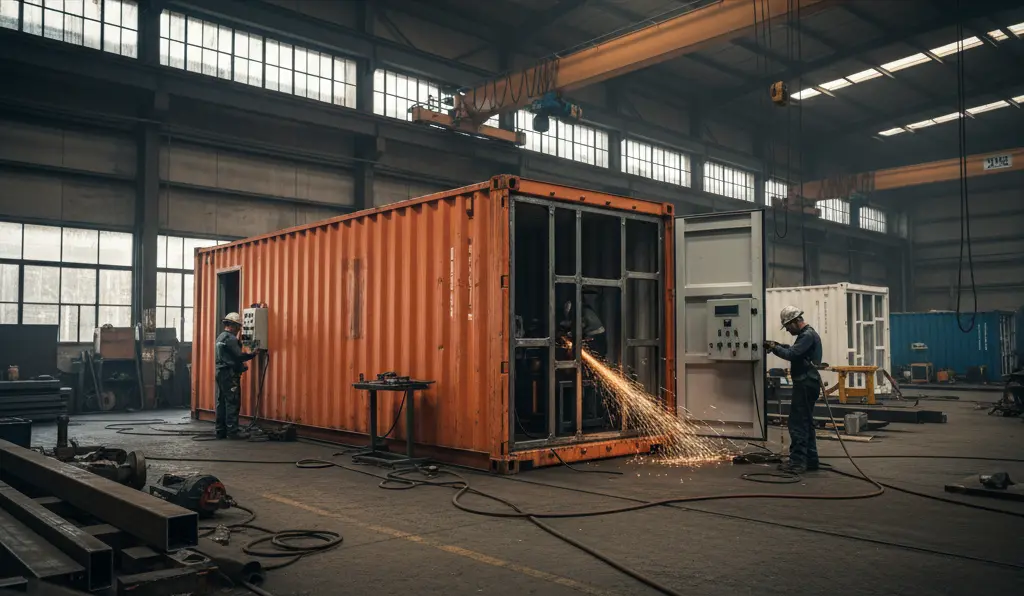
Preventive maintenance helps protect the container from environmental damage and operational wear. Common maintenance practices include:
- Surface treatment to prevent corrosion
- Repainting protective coatings
- Replacement of worn components
Proper maintenance significantly extends the life of a DNV certified container.
Certification and Re-Certification Cycles
DNV offshore containers must undergo inspections at regular intervals to maintain certification. These inspections verify that the container still meets safety standards after years of use. Re-certification checks usually include structural inspections, load testing, and documentation verification. Maintaining up-to-date certification ensures that containers remain compliant with offshore safety regulations.
Common Causes of Reduced Container Lifespan
Several factors can reduce the lifespan of offshore containers. Some of the most common issues include:
- Corrosion caused by saltwater exposure
- Structural fatigue from repeated lifting operations
- Stress cracks in load-bearing components
- Improper repairs or unauthorized structural modifications
Any of these problems can weaken the container and compromise safety.
Best Practices to Extend Container Lifespan
Companies can extend container lifespan by following a few important practices. First, implement regular inspection and maintenance programs. Early detection of damage prevents major failures. Second, ensure proper handling during lifting and transport operations. Trained personnel should always follow safe lifting procedures. Third, avoid overloading containers and always operate within the approved Working Load Limit. Finally, work with DNV container suppliers in UAE who follow recognized manufacturing and inspection standards.
Conclusion The lifespan of a DNV certified container depends on several factors, including material quality, environmental exposure, operational usage, and maintenance practices. Harsh offshore conditions can accelerate wear and corrosion, making regular inspections and preventive maintenance essential. By maintaining certification, following proper handling procedures, and performing routine inspections, companies can ensure safer operations and extend the working life of offshore containers.