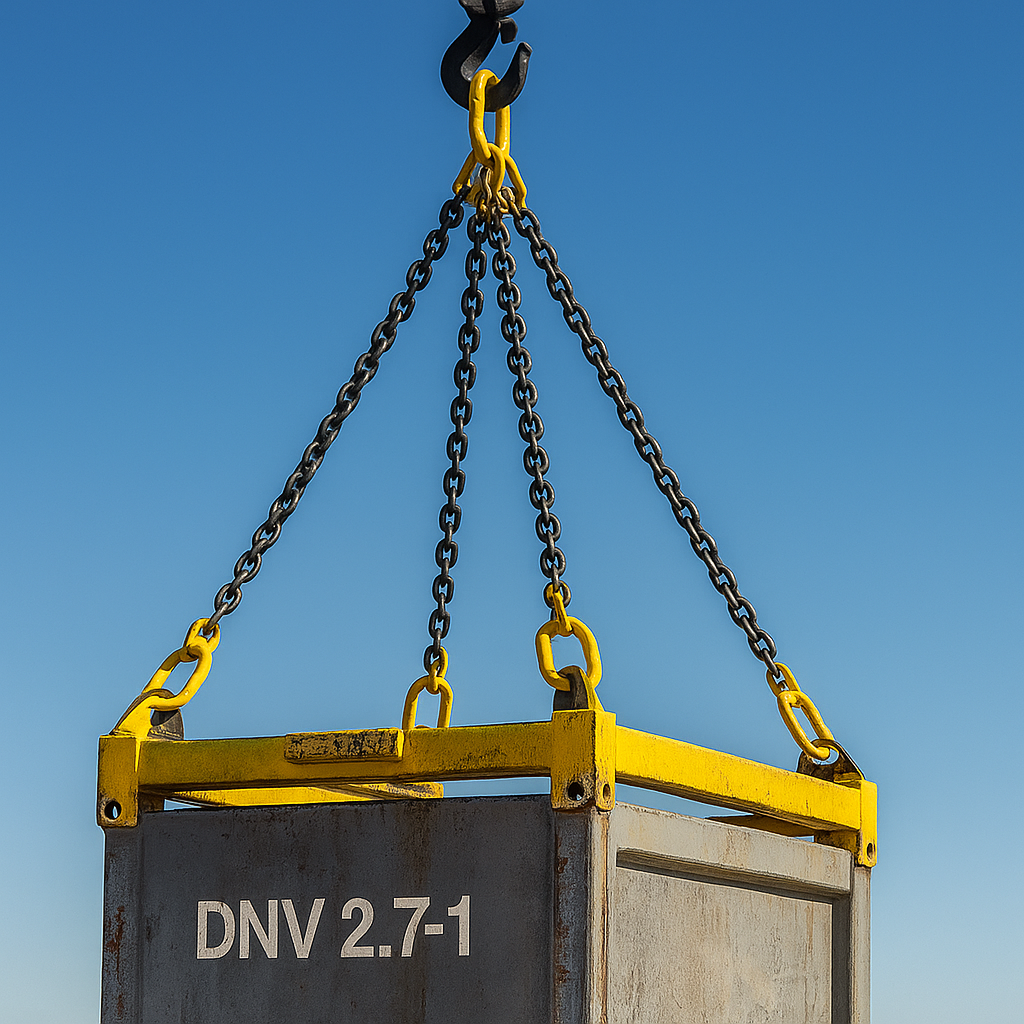

DNV container inspections are designed to ensure shipping containers meet strict safety and structural standards. However, many containers fail inspections due to avoidable issues. Understanding these common failure reasons helps container owners reduce downtime, avoid certification delays, and maintain compliance with international shipping regulations.
This guide outlines the most frequent causes of DNV container inspection failures and practical ways to prevent them.
Why Containers Fail DNV Inspection
DNV inspections focus on safety, structural integrity, and regulatory compliance. Containers that show signs of weakness, damage, or non-compliance are rejected to prevent risks during cargo transport.
Structural Issues Leading to Inspection Failure
Structural integrity is one of the most critical evaluation areas during DNV inspections.
Severe Dents and Deformation
Large dents, buckling, or warped panels can weaken a container’s load-bearing capacity.
How to prevent it:
- Conduct routine visual inspections
- Repair structural damage before scheduling inspection
Cracks and Metal Fatigue
Cracks near corner posts or welds indicate structural stress and often result in immediate rejection.
How to prevent it:
- Monitor high-stress areas regularly
- Reinforce or replace damaged components early
Corrosion-Related Failures
Corrosion is a major reason containers fail DNV inspections, especially in harsh marine environments.
Advanced Rust and Material Loss
Surface rust is acceptable to a limit, but deep corrosion that reduces metal thickness is not.
High-risk areas include:
- Base rails
- Corner posts
- Welded joints
How to prevent it:
- Apply protective coatings
- Treat rust at early stages
Flooring and Interior Defects
The interior condition directly impacts cargo safety and container usability.
Damaged or Unsafe Flooring
Cracked, soft, or contaminated floors can make containers unsuitable for cargo transport.
How to prevent it:
- Replace damaged floor panels
- Ensure floors meet load and hygiene requirements
Water Ingress and Moisture Damage
Signs of leaks or moisture damage raise safety and cargo contamination concerns.
How to prevent it:
- Check roof and wall seals regularly
- Repair leaks immediately
Door and Locking System Failures
Doors are critical for both safety and security.
Misaligned Doors and Faulty Lock Rods
Doors that do not close properly or locking rods that do not operate smoothly are common failure points.
How to prevent it:
- Lubricate hinges and locking systems
- Test door operation before inspection
Missing or Invalid CSC Plates
Documentation issues are automatic inspection failures.
CSC Plate Non-Compliance
Containers without valid CSC plates or with unreadable information cannot be certified.
How to prevent it:
- Ensure CSC plates are present and legible
- Update expired or damaged plates
Poor Repair Quality
Improper or non-compliant repairs are often identified during inspections.
Unauthorized Welding or Patch Repairs
Repairs that do not meet approved standards compromise structural integrity.
How to prevent it:
- Use approved repair methods
- Maintain proper repair records
How to Prepare for a Successful DNV Container Inspection
Proactive preparation significantly reduces the risk of failure.
Pre-Inspection Best Practices
- Perform routine condition checks
- Address visible damage early
- Verify documentation and CSC plates
- Keep maintenance records updated
Conclusion
DNV container inspection failures are often caused by preventable issues such as structural damage, corrosion, flooring defects, and documentation gaps. Regular maintenance, early repairs, and proper preparation play a crucial role in passing inspections successfully.
By understanding common failure points and addressing them proactively, container owners can ensure compliance, reduce operational disruptions, and maintain safe shipping operations.