
DNV container inspections follow a systematic and technical process to ensure containers meet international safety and compliance standards. For container owners and logistics operators, understanding this inspection workflow helps reduce certification delays, avoid failures, and maintain operational continuity.
What Is a DNV Container Inspection?
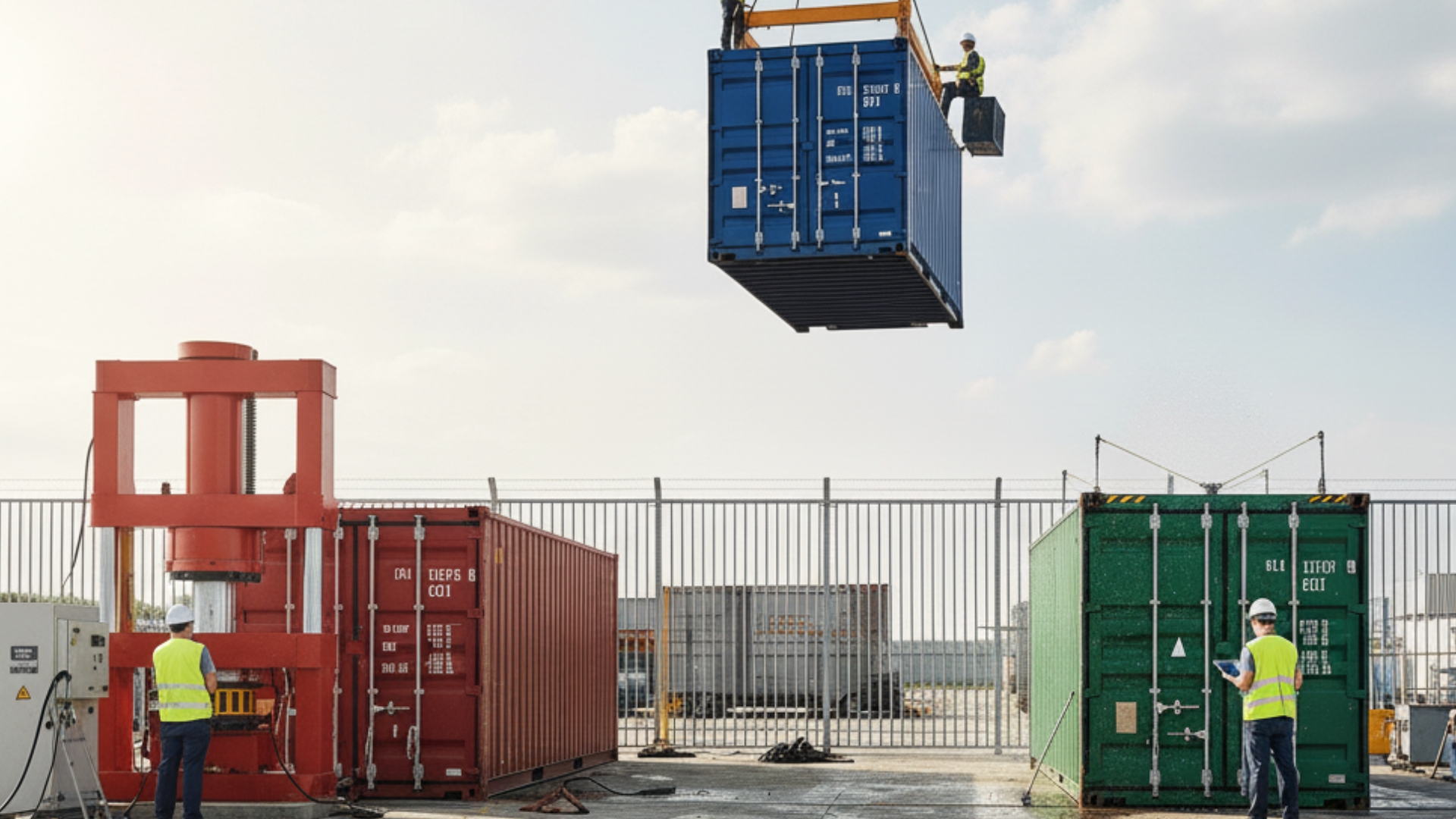
A DNV container inspection is a formal assessment conducted to evaluate whether a shipping container is fit for service under international safety regulations, including CSC requirements.
Objective of the Inspection
The inspection aims to:
- Verify container structural strength
- Identify safety risks or defects
- Confirm suitability for cargo transport
- Ensure regulatory and operational compliance
Only containers that pass inspection are approved for certification or continued use.
Step-by-Step DNV Container Inspection Process
DNV container inspections are conducted in defined stages to ensure accuracy and consistency.
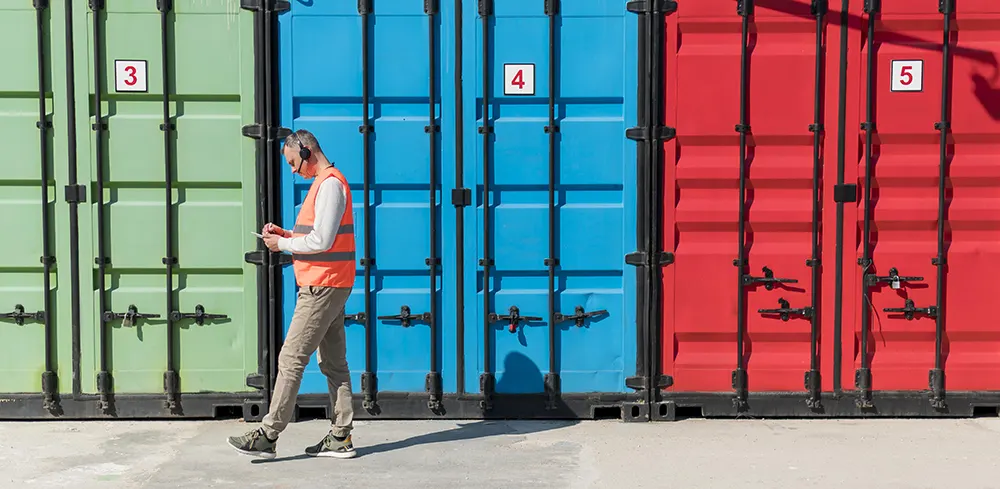
Step 1: Container Identification and Documentation Check
The inspection begins with container verification.
What Inspectors Review
- Container number and markings
- CSC plate validity and details
- Manufacturer information
- Previous inspection or repair history
Missing or invalid documentation can lead to immediate inspection failure.
Step 2: External Structural Inspection
The external structure is assessed for visible and hidden defects.
Structural Elements Checked
- Side walls and roof panels
- Corner posts and corner castings
- Base rails and cross members
Inspectors look for dents, buckling, cracks, or deformation that could compromise load-bearing capacity.
Step 3: Internal Condition and Flooring Inspection
The interior condition determines whether the container is safe for cargo.
Internal Checks Include
- Flooring strength and condition
- Signs of rot, cracks, or soft spots
- Evidence of water ingress or contamination
Damaged or unsafe flooring is one of the most common reasons for inspection failure.
Step 4: Doors, Hinges, and Locking Mechanism Inspection
Container doors are critical for cargo security and weather protection.
Door System Evaluation
- Door alignment and smooth operation
- Condition of hinges and locking rods
- Sealing effectiveness
Faulty doors can lead to cargo damage, safety risks, and certification rejection.
Step 5: Corrosion and Surface Condition Assessment
Corrosion weakens container structure and reduces service life.
High-Risk Corrosion Areas
- Base rails and bottom side rails
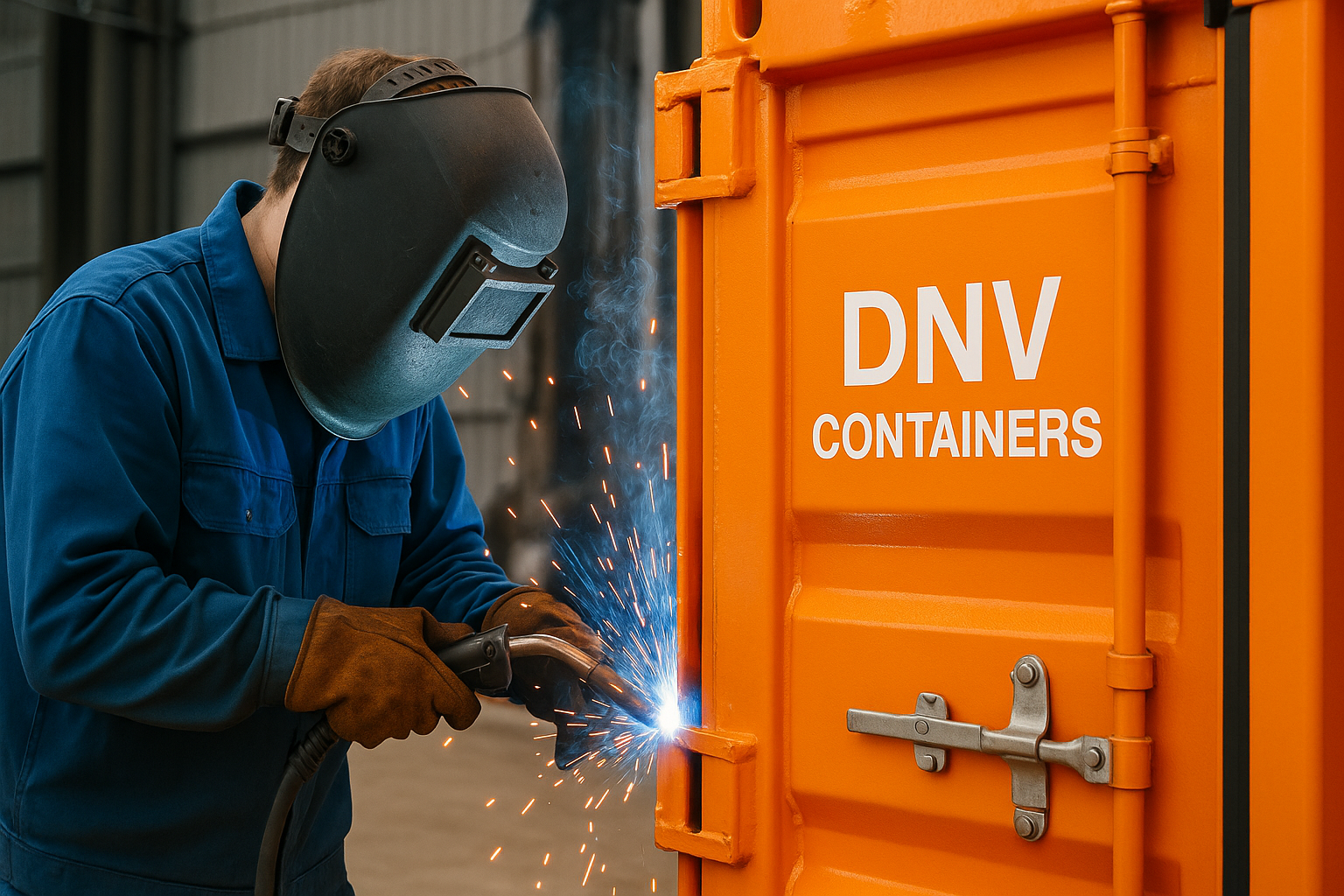
- Welded joints
- Corner posts
Advanced corrosion beyond acceptable limits results in inspection failure.
Step 6: Inspection Outcome and Reporting
After completing all checks, inspectors determine the container’s status.
Possible Inspection Results
- Approved for certification
- Conditionally approved (repairs required)
- Rejected (unfit for service)
A detailed inspection report is issued outlining findings, defects, and recommendations.
Who Should Schedule Regular DNV Container Inspections?
DNV container inspections are essential for:
- Shipping and logistics companies
- Container leasing operators
- Port and terminal operators
- Exporters and importers
- Fleet and asset managers
Regular inspections reduce risk, extend container lifespan, and support uninterrupted shipping operations.
Conclusion
The DNV container inspection process is a structured and essential safeguard for container safety, compliance, and operational efficiency. Understanding each inspection stage allows container owners to prepare better and minimize certification issues.
Partnering with an experienced inspection provider like Al Basata ensures inspections are thorough, compliant, and aligned with international standards.